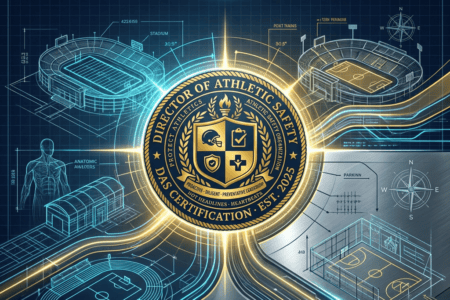
In the high-stakes world of modern sports, the safety of the athlete has long been viewed through a reactive lens—waiting for an injury to occur before addressing the cause. However, a revolutionary shift occurred in 2025 that changed the trajectory of the industry. The Director of Athletic Safety (DAS) micro-credential was born, not from a … Continue reading “The Architecting of Athletic Safety: How a Vision Became the New Industry Standard”
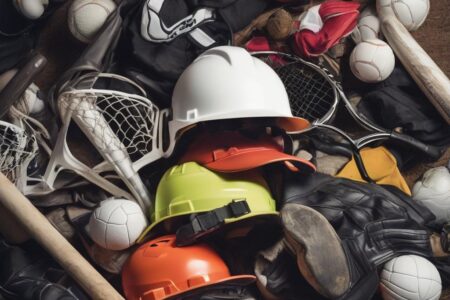
The human body is designed to adapt. It responds to load. It gets stronger under stress. This is not a coaching philosophy or an opinion; it is the fundamental law of biomechanics. We seem to have forgotten this. In our rush to protect athletes and workers, we try to engineer the stress away. We build … Continue reading “The Illusion of Armor: When Safety Equipment Becomes the Hazard”
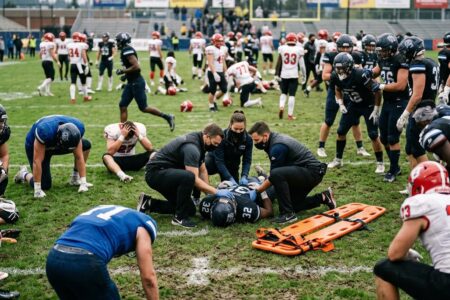
You have seen it a thousand times. A player goes down. The whistle blows — or maybe it doesn’t, because everyone on both sides of the field has already stopped. Helmets come off. Teammates drop to one knee. Fans rise slowly from their seats. Coaches pace. Medical staff run. The world pauses. In that silence … Continue reading “A Portrait from a Bended Knee”
In the high-stakes world of modern sports, when an athlete goes down, the first question everyone asks is, “What happened?” Almost instantly, the focus shifts to the mechanism of injury—the precise, acute biomechanical event that caused tissue to fail. We analyze the moment a knee buckled into valgus collapse or the exact rotational force of a … Continue reading “The 5 Whys of Athletic Safety: How the DAS Curriculum Gets to the Root Cause”
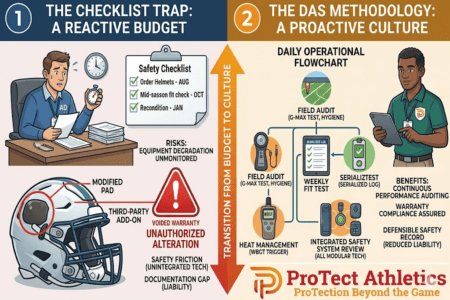
In athletic departments across the nation, “Safety” is often treated as a seasonal transaction. We verify the line items, purchase the five-star rated helmets, invest in the latest supplemental impact caps, and consider the box checked. There is a comforting, yet dangerous, assumption that because the invoice is paid, the athletes are protected. However, a … Continue reading “The Cost of Complacency: Why Your “Safety Budget” Is Failing Your Athletes”
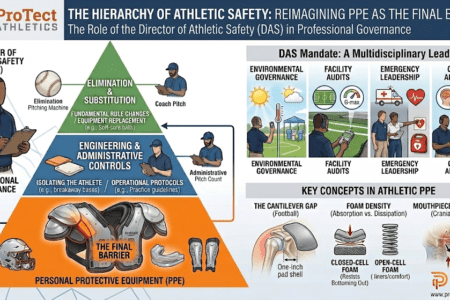
In the high-stakes world of industrial safety, engineers and site supervisors rely on a rigorous framework to keep workers alive known as the Hierarchy of Controls. This system is the industry standard for risk management, prioritizing hazards by beginning with the physical removal of danger and ending with the most critical, yet most vulnerable, layer: … Continue reading “The Final Barrier: Reimagining Athletic Equipment as PPE”
ProTect Athletics Thought Leadership, Youth Athletic Safety By Jerry D. Fife, M.Ed. • ProTect Athletics Nobody WasResponsible How one family’s tragedy revealed a structural failure that runs through every youth athletic program in America, and what we built to fix it. Jerry D. Fife, M.Ed. • Co-Founder & COO, Athletic Safety Organization dba ProTect Athletics … Continue reading “Nobody Was Responsible”
Athletic departments are responsible for ensuring the safety and well-being of all participants, including athletes, coaches, and staff. However, prioritizing safety can be challenging due to various factors, such as cost, resistance from coaches and athletes, and balancing safety with competition. This article aims to delve deeper into these challenges and provide evidence-based solutions to help athletic departments prioritize safety effectively. Specifically, this article will discuss the following areas:
1. The Benefits of Prioritizing Safety
2. The Challenges of Prioritizing Safety
3. Developing a Comprehensive Safety Plan
4. Creating a Positive Culture of Safety