In the high-stakes world of modern sports, when an athlete goes down, the first question everyone asks is, “What happened?” Almost instantly, the focus shifts to the mechanism of injury—the precise, acute biomechanical event that caused tissue to fail. We analyze the moment a knee buckled into valgus collapse or the exact rotational force of a … Continue reading “The 5 Whys of Athletic Safety: How the DAS Curriculum Gets to the Root Cause”
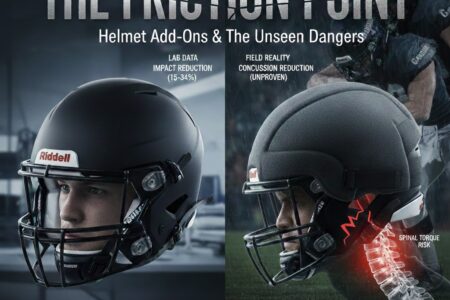
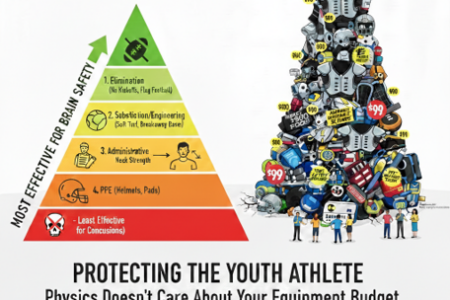
A ProTect Athletics Safety Briefing for Parents and Coaches In the world of youth sports, we often equate “better gear” with “better safety.” As parents and coaches, we want to believe that if we buy the $600 helmet or the latest padded accessory, we are shielding our athletes from brain injury. However, the science of … Continue reading “The Uncomfortable Truth: Why No Helmet Can “Prevent” a Concussion”
By ProTect Athletics At ProTect Athletics, our mission is to advocate for the safety of everyone involved in the world of athletics by providing the data needed to make informed decisions. We do not seek to influence the dismissal or use of any specific product; rather, we aim to highlight the complexities that arise when … Continue reading “The Integrated Safety System: Why “Add-Ons” Are Creating Friction in Football Safety”
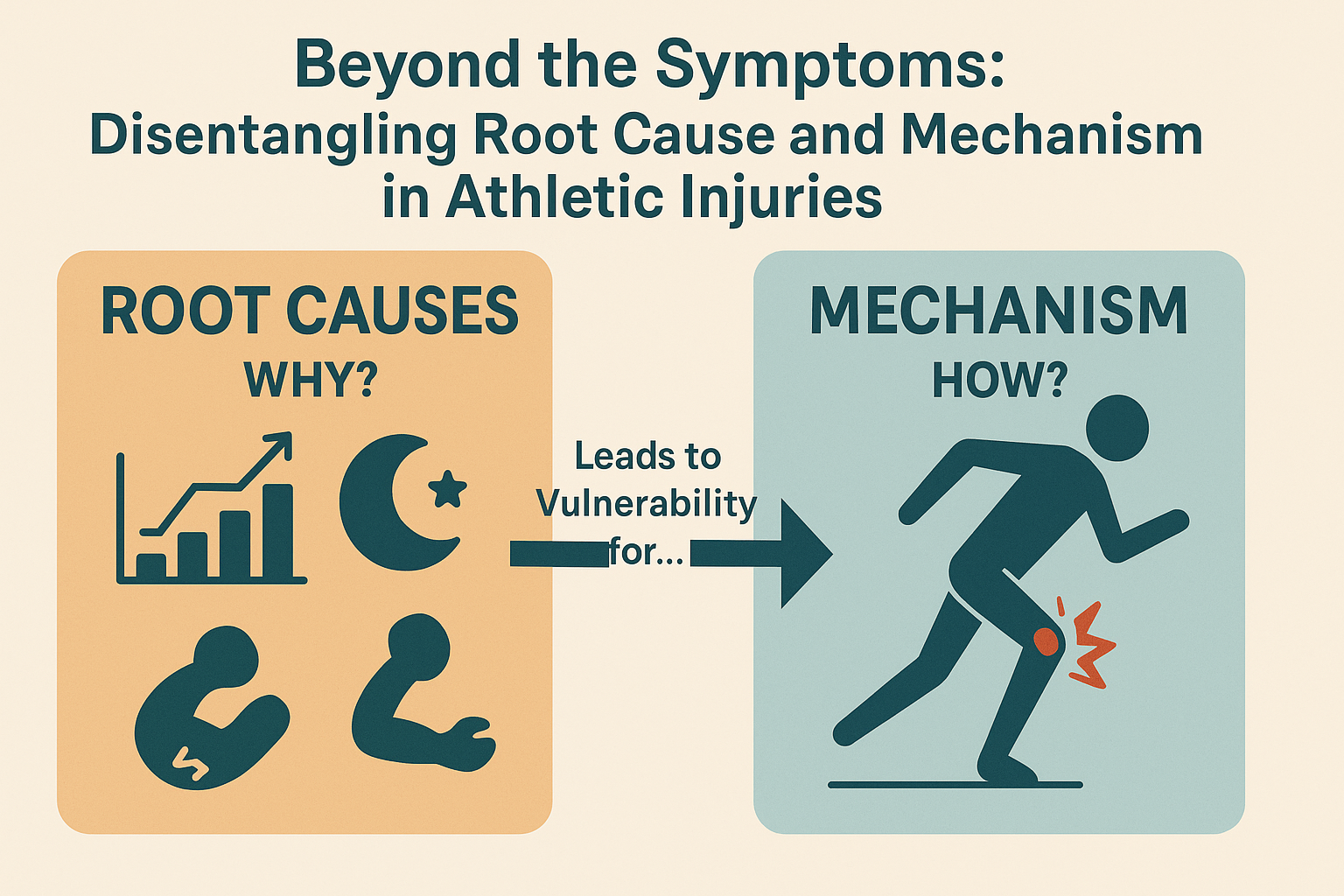
Beyond the Symptoms: Disentangling Root Cause and Mechanism in Athletic Injuries Athletic injuries are an unfortunate reality, but our ability to prevent and effectively treat them hinges on a deeper understanding than just the immediate pain. We need to distinguish between the “why” and the “how”—the root cause and the mechanism of the injury. While … Continue reading “Beyond the Symptoms: Disentangling Root Cause and Mechanism in Athletic Injuries”
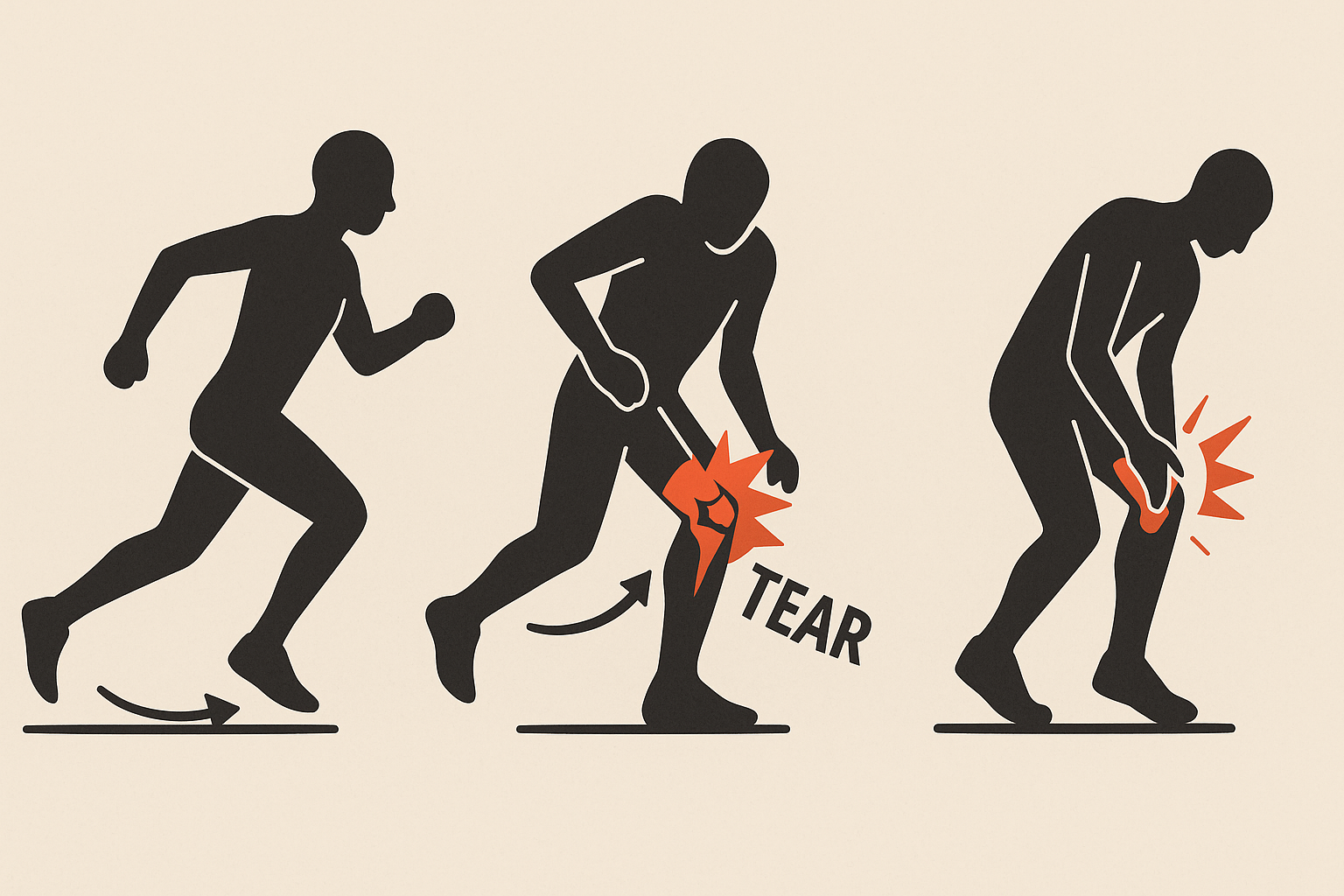
Beyond “It Just Happened”: Unpacking the Mechanism of Athletic Injuries We have all heard the phrase, “I just twisted it,” or “It just gave out.” While these descriptions might convey the immediate sensation of an athletic injury, they barely scratch the surface of how the injury occurred. Understanding the mechanism of an athletic injury – … Continue reading “Beyond “It Just Happened”: Unpacking the Mechanism of Athletic Injuries”
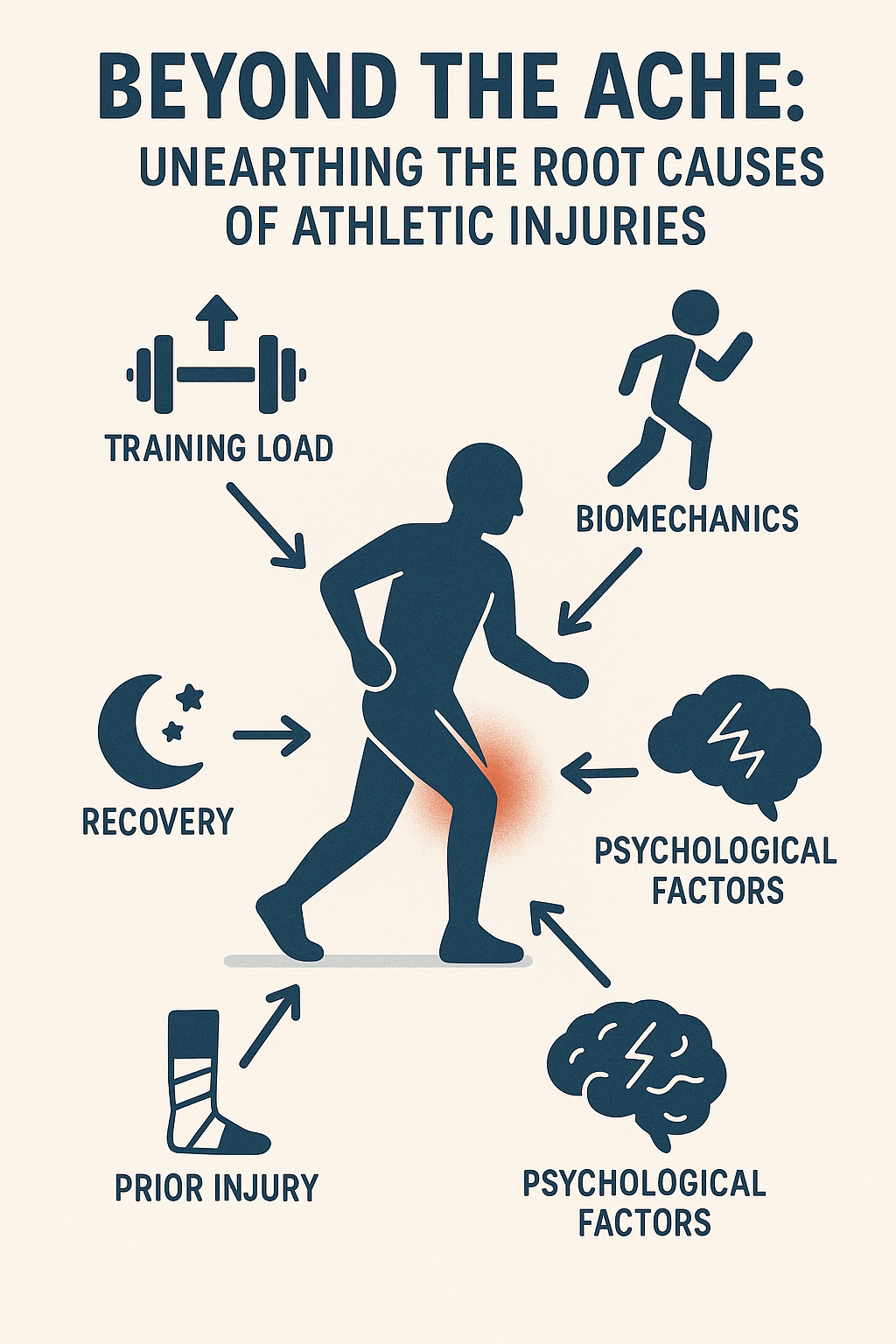
Athletic injuries are an unfortunate reality for many who push their physical limits. While the immediate pain and visible symptoms are undeniable, truly understanding and preventing these setbacks requires digging deeper – beyond the surface-level ache to identify the underlying root causes of injuries. It is a complex puzzle, but by examining various contributing factors, … Continue reading “Beyond the Ache: Unearthing the Root Causes of Athletic Injuries”
The Meaning of Being a Coach The role of a coach is a profound one, extending far beyond the realm of mere instruction and guidance. It’s a position that requires crafting a nurturing environment, where athletes feel supported, empowered, and motivated to push beyond their perceived limits. This environment is the foundation upon which growth, … Continue reading ““Call me Coach” “
As summer approaches, young athletes across the country eagerly anticipate a season filled with sports camps, tournaments, and outdoor activities. However, the combination of intense heat and increased physical activity presents unique challenges that require careful consideration. This article delves into the key aspects of summer safety for youth athletes, providing a comprehensive guide to ensure a healthy and enjoyable sports experience.
Athletic departments are responsible for ensuring the safety and well-being of all participants, including athletes, coaches, and staff. However, prioritizing safety can be challenging due to various factors, such as cost, resistance from coaches and athletes, and balancing safety with competition. This article aims to delve deeper into these challenges and provide evidence-based solutions to help athletic departments prioritize safety effectively. Specifically, this article will discuss the following areas:
1. The Benefits of Prioritizing Safety
2. The Challenges of Prioritizing Safety
3. Developing a Comprehensive Safety Plan
4. Creating a Positive Culture of Safety