 Written by
  Opinion | Athletic Safety
Zackery Lystedt was 13 years old when he suffered a traumatic brain injury on a football field in Washington State in 2006. He did not want a law named after him. He wanted to play football.
Max Gilpin was 15 years old when he collapsed during football practice in Louisville, Kentucky in 2008 and died three days later from heat stroke. He did not want a law. He wanted to make the team.
There are dozens of laws across this country named after children who died in youth sports. We hold them up as progress. We pass them in legislative chambers with the parents watching from the gallery and we shake hands and take photographs and call it a victory for safety.
It is not a victory. It is a monument to our failure.
“A law named after a dead child is not a safety system. It is proof that we had no safety system. It is evidence that we waited, that we sat on our hands, made our assumptions, trusted our good intentions, and acted only after a family was destroyed.”
That is what we have built. A culture of reactive safety theater.
When a child is hurt or killed in a youth athletic program, we investigate what happened after the injury. We rarely investigate what was in place before it.
Here is what was in place before, in the overwhelming majority of scholastic athletic programs in America: nothing.
No credentialed safety professional. No independent oversight. No person whose only job is the safety of the athlete. A coach whose job is to win games. A parent who trusted the institution. And a child who just wanted to play.
We do not have a protocol problem in youth sports. We have a structural problem. Protocols posted on walls do not protect children. People do. Credentialed, independent, structurally accountable people who answer to the athlete and no one else.
OSHA understood this decades ago. Every high-risk industry in this country has a designated safety professional, not because it is a nice idea but because the law requires it. Construction sites. Chemical plants. Manufacturing floors. Anywhere the hazard is real and the stakes are a human life, we require a credentialed person to own the safety function.
Youth athletics is one of the most physically hazardous environments children in America will ever occupy. We send them there with a volunteer coach and a permission slip.
Students participated in high school athletics in 2022-23. Fewer than 37 percent of their schools have a credentialed athletic trainer on site. The majority of those 7.8 million kids step onto fields and courts every day with no credentialed safety professional responsible for them. Some of them do not come home.
We know this. We have known this for years. We pass another law, name it after another child, and move on.
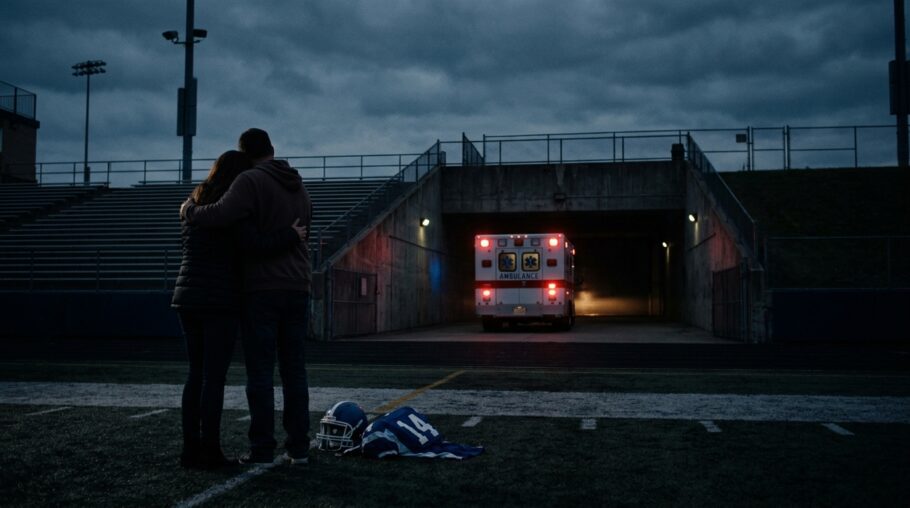
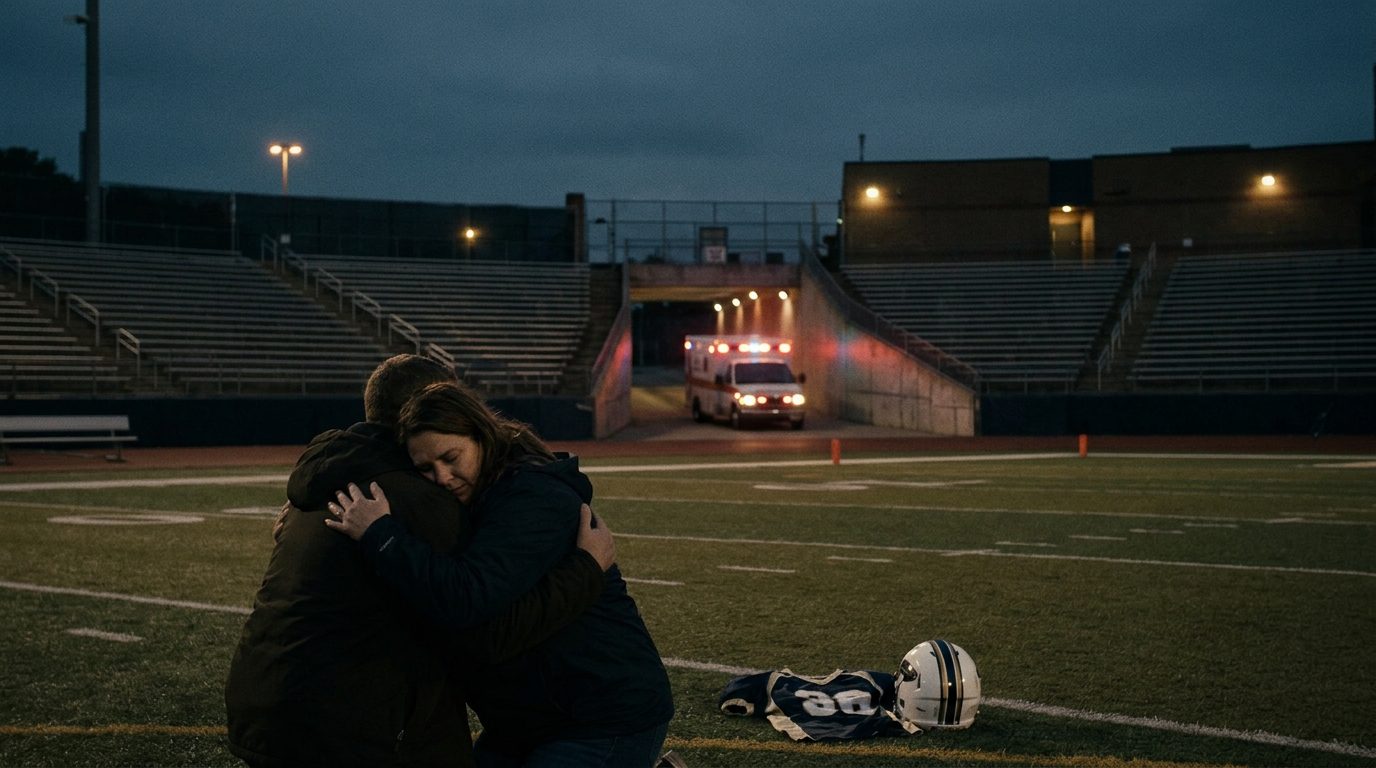
There is an old metaphor about the difference between an ambulance at the bottom of a cliff and a fence at the top. Every law named after a child who died in sports is an ambulance. It arrives after everything that mattered already happened.
The Athletic Safety Organization exists to build the fence.
The Sport Specific Education (SSE) curriculum. The Youth Safety Officer (YSO) credential. The Athletic Safety Manager (ASM) credential. The Director of Athletic Safety (DAS) credential. These are not responses to tragedy. They are the infrastructure that prevents it. A trained, credentialed, independent professional whose only job is the safety of the athlete, present before the whistle blows, before the play happens, before the phone call that ends a family’s world.
No child who signed up to play wanted to be the reason a law exists. No parent who signed a permission slip imagined they were consenting to watch their child become a cautionary tale that legislators cite five years later.
They wanted to play. They wanted to watch. That is it.
We owe them the fence. Not more laws after more funerals. Not more awareness campaigns with more candles. Not more protocols posted on walls that no one enforces because no one is responsible for enforcing them.
We owe them a person. Present, credentialed, independent, and accountable. Someone whose job exists before the ambulance is called. Someone who understands that safety is not a feeling or a philosophy or a policy. It is a function, and functions require someone to own them.
The parents of the children whose names are on those laws would tell you the same thing if you asked them. They do not want their child’s name on a law. They want your child to come home.
So do we.
The SSE, YSO, ASM, and DAS credentials exist to put a credentialed safety professional on every sideline before the ambulance is ever called. ASO builds the human safety infrastructure that youth and scholastic athletics has never had.
Learn more at protectathletics.org
The author is the COO, Co-Founder, and lead curriculum architect of Athletic Safety Organization dba ProTect Athletics, a 501(c)(3) non-profit organization, and the developer of the DAS, ASM, YSO, and SSE credentials referenced in this article. All data and statistics cited are drawn from publicly available sources independent of ProTect Athletics.
- National Federation of State High School Associations (NFHS). (2023). 2022-23 High School Athletics Participation Survey. nfhs.org/sports-resource-content/high-school-participation-survey-archive/
- National Athletic Trainers Association (NATA). Official Statement: Full-time, on-site athletic trainer coverage for secondary school athletic programs. nata.org/position-statements
- Washington State Legislature. (2009). Engrossed Substitute Senate Bill 5763: Zackery Lystedt Law. app.leg.wa.gov/billsummary?BillNumber=5763&Year=2009
- U.S. Department of Labor, Occupational Safety and Health Administration (OSHA). (2016). Competent Person. osha.gov/competent-person
- Gilpin, M. (2008). Heat stroke death during football practice, Louisville, Kentucky. Commonwealth of Kentucky v. Stinson (acquitted 2009; $1.75M civil settlement 2019). beattheheat.org
